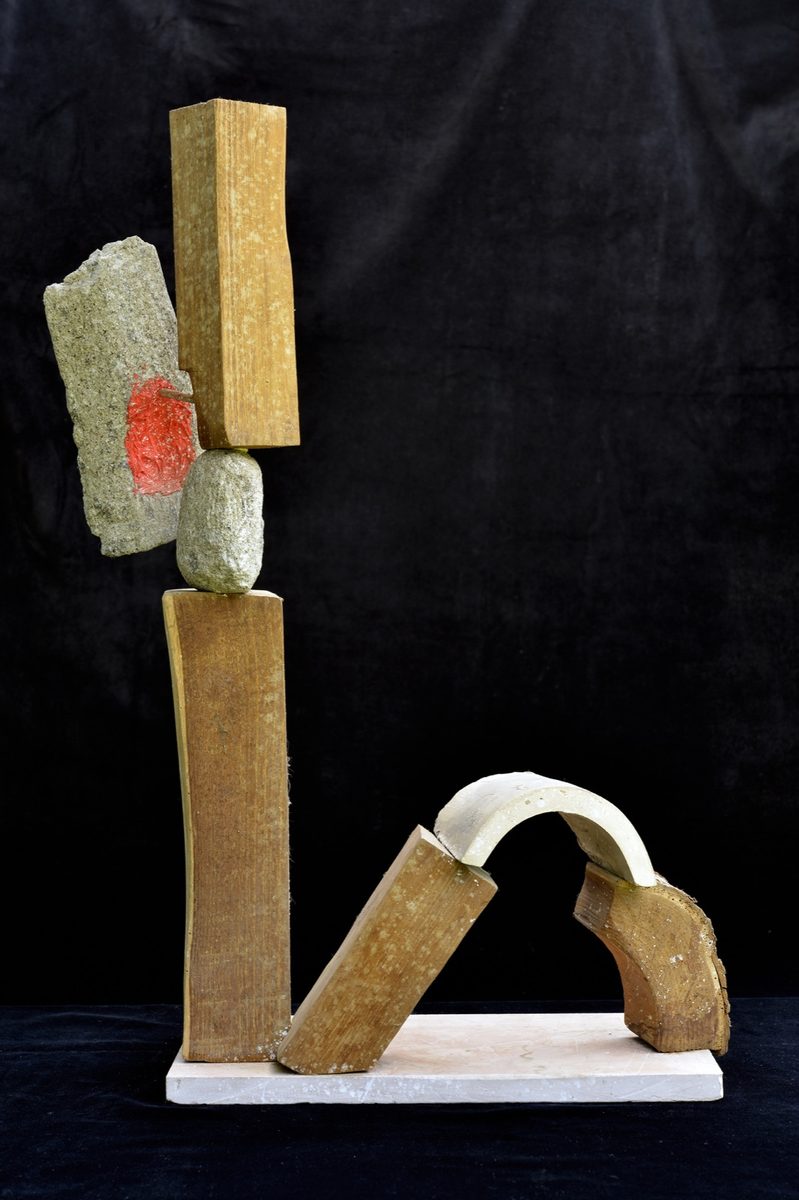
A born Roman, Paul Klerr returned to his home city after a formative education in the United States during the Second World War, to study art at the Accademia di Belle Arti. His abstract work — always rooted in Rome — moved through decades and through three studios: Plinio, Calamatta, and finally Sutri, where the studio remains today.
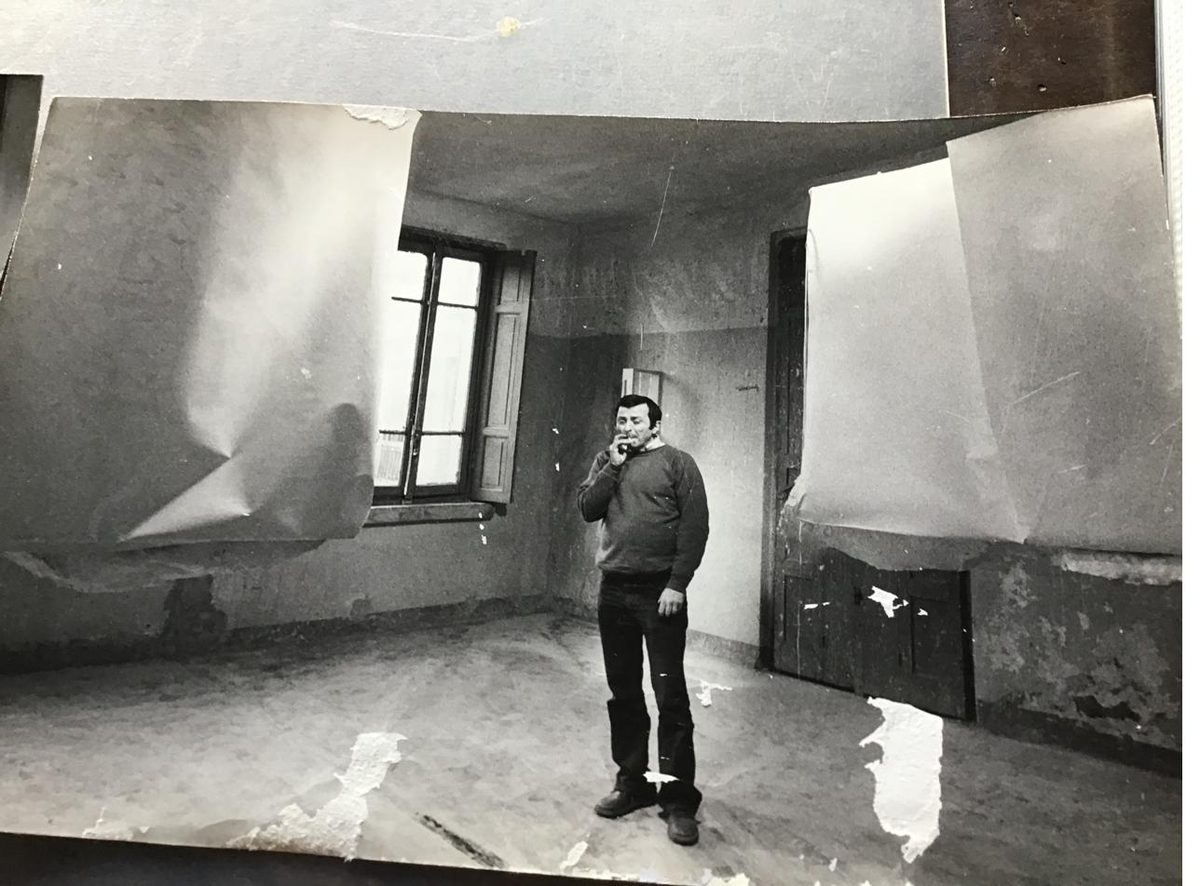
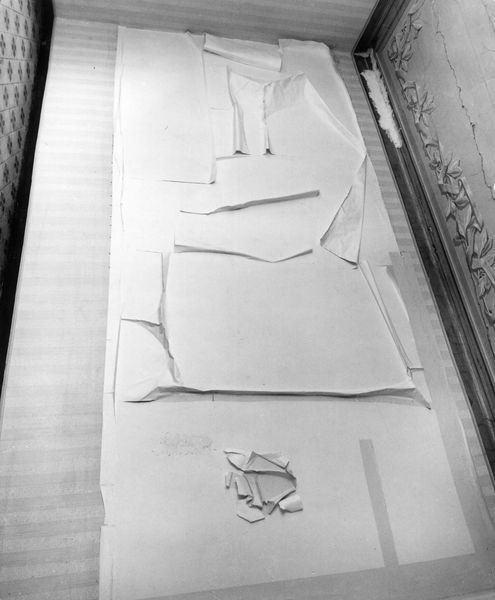
His vocabulary began in the nameless, witty school of meandering marks and bits of colour developed by Licini, Novelli and Twombly. In 1970 his first solo exhibition, Magic Carpet at Galleria Arco D'Alibert, was a sound and visual environment built in collaboration with the American composer Alvin Curran — described by Edith Schloss on the International Herald Tribune as "an aviary for sound". In 1976 Klerr and Curran staged Lillipudine at the Teatro in Trastevere. Between 1974 and 1975, in the rooms of Studio Plinio, Klerr installed three monumental paper murals, three by six metres each.
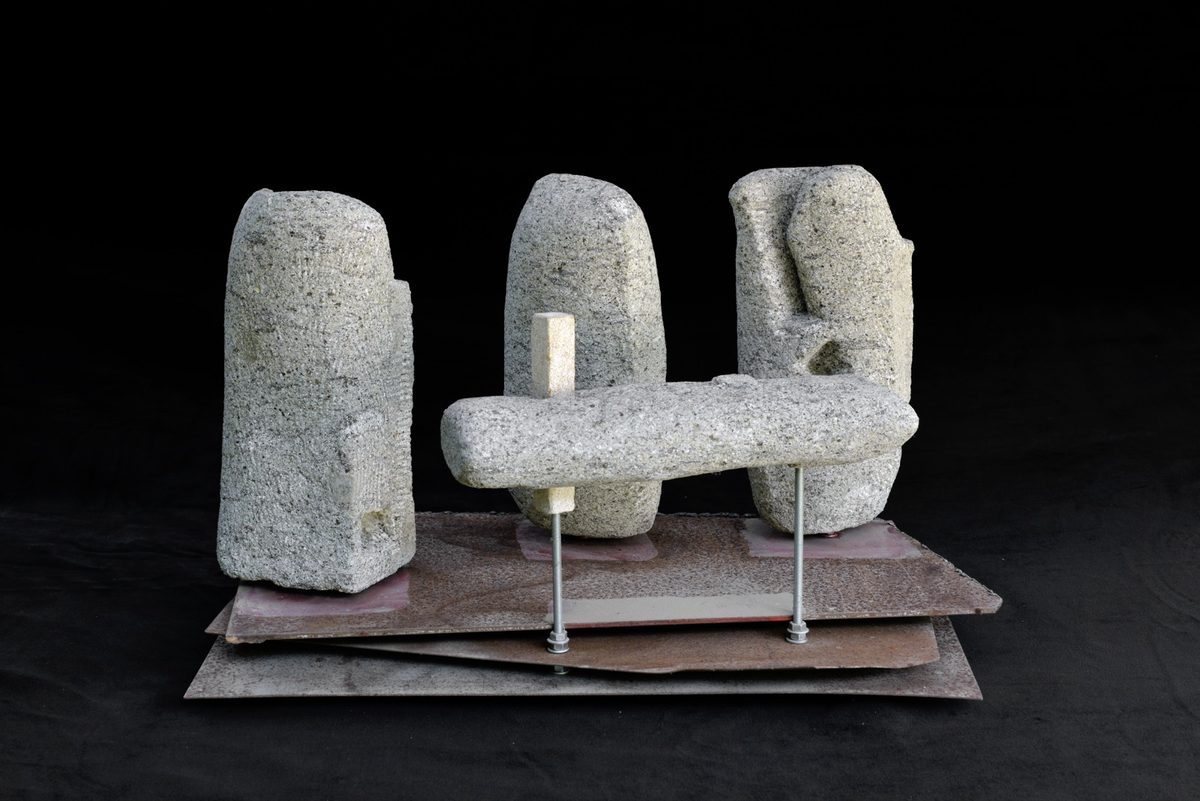
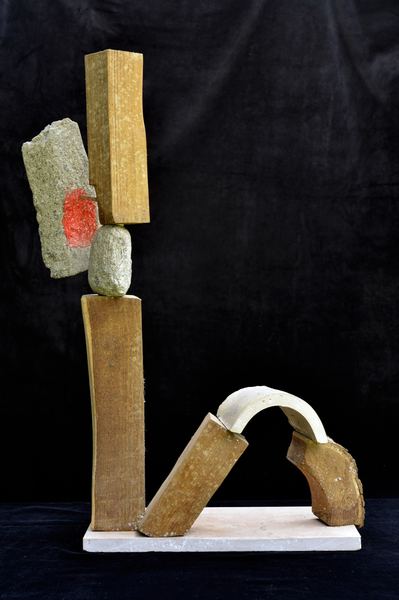
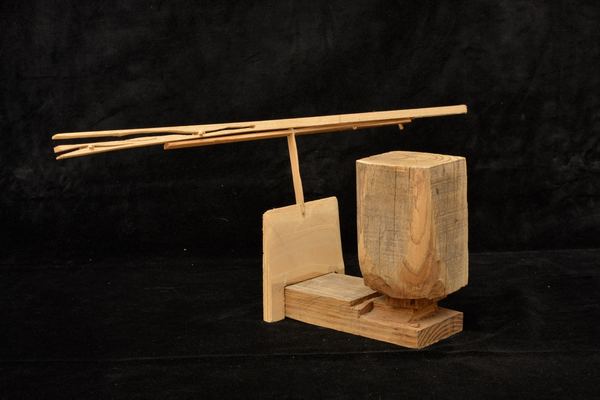
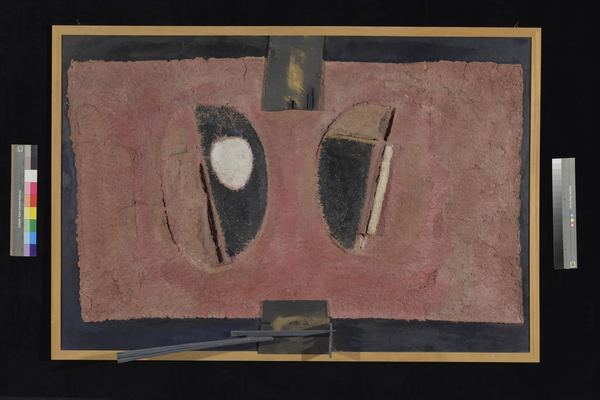
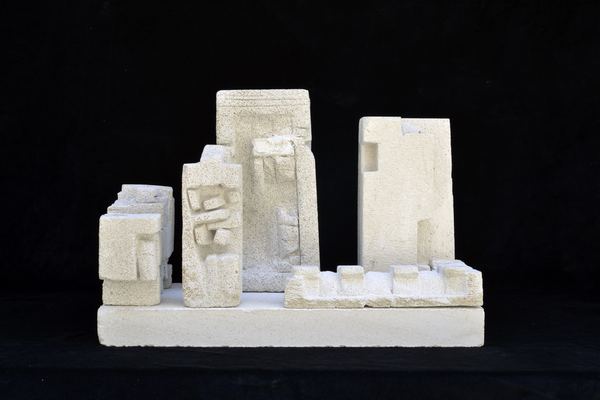
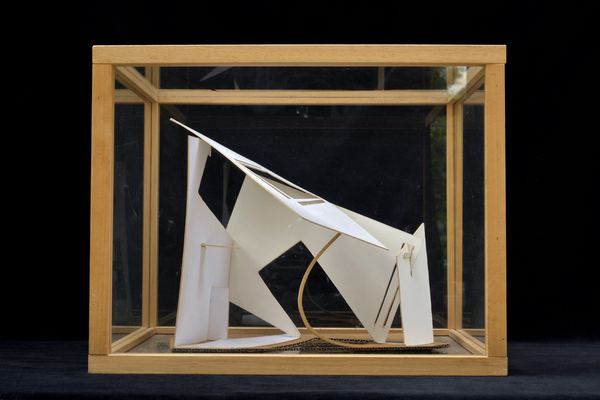
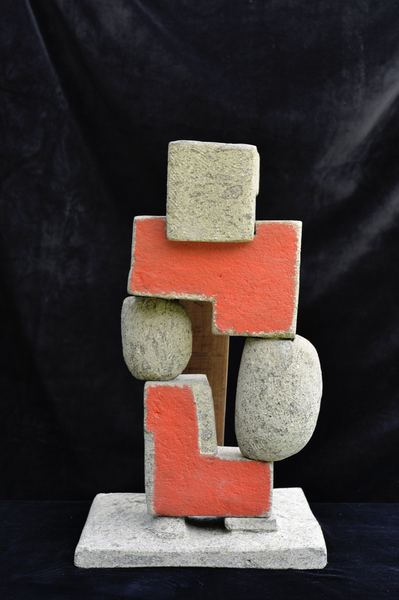
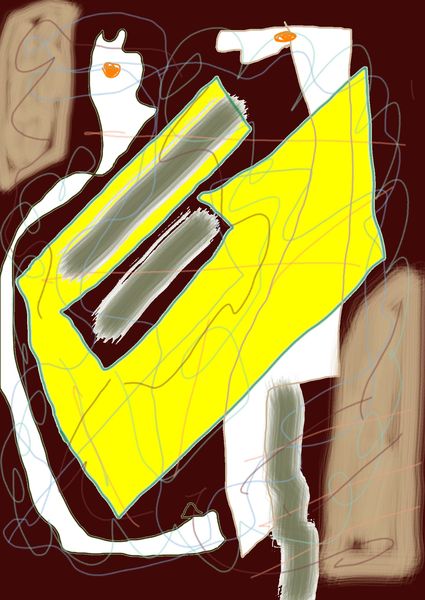
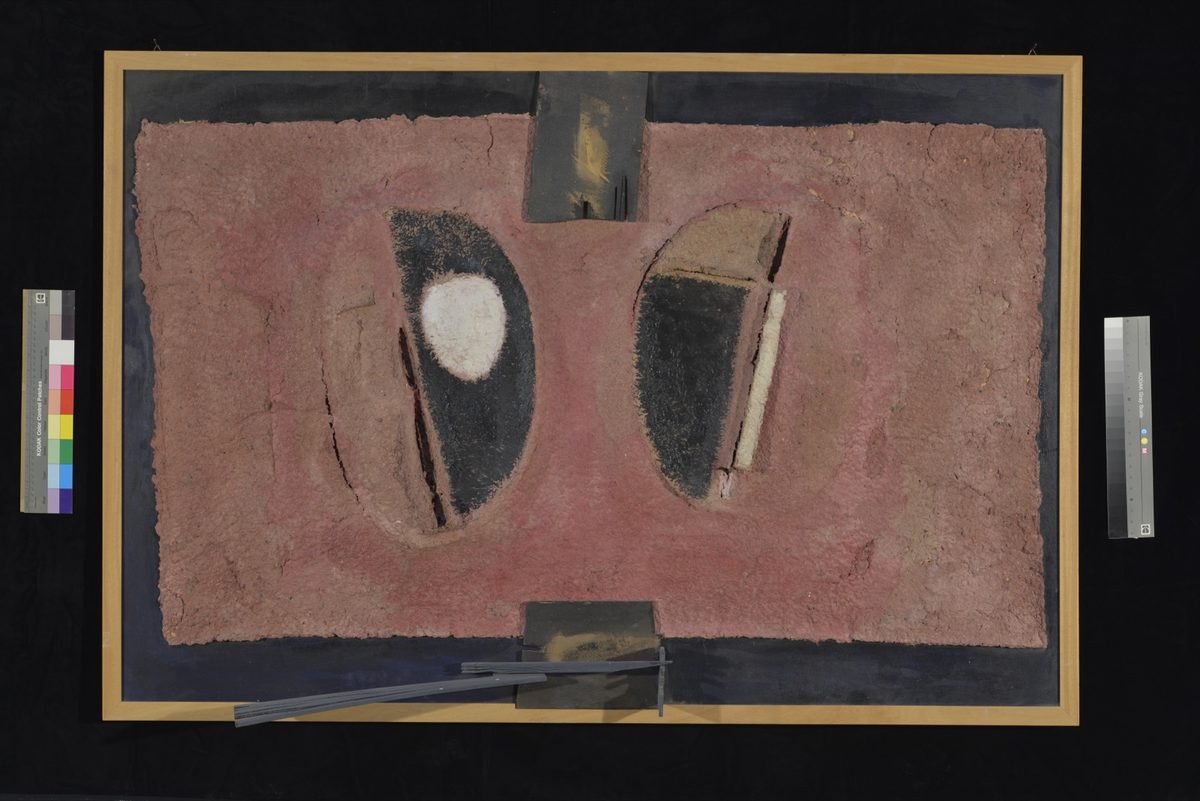
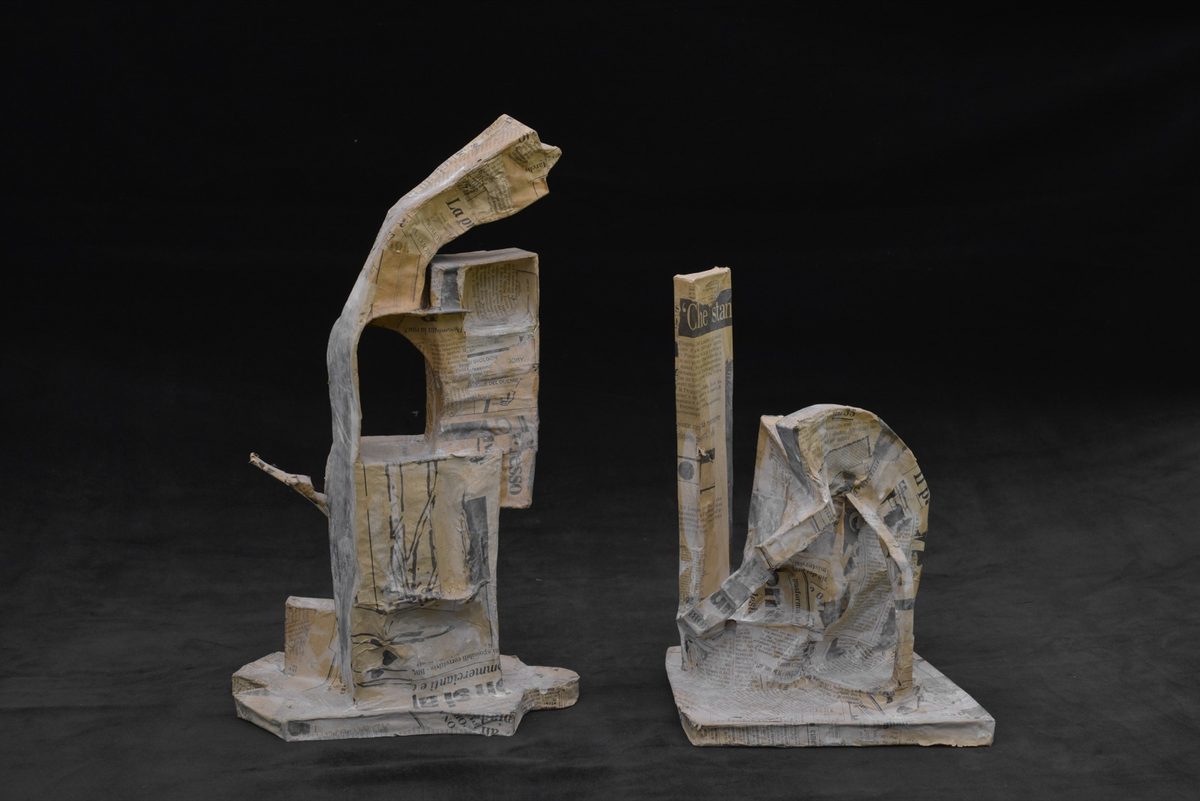
In 1978 the landmark Vertical Art at the American Academy in Rome presented three plaster-and-canvas sculptures protruding from the wall at 180° — articulated in a theoretical manifesto where the wall becomes a drawing board and the viewer is mobile around a volumetric ray. His materials range from peperino, wood, iron and bronze, to cardboard, paper, gypsum, glass and siporex. In later years, as his health declined, the work grew lighter: reliefs in papier-mâché, polychrome wood, and hundreds of drawings made on an iPad.
Throughout his life Paul exhibited alongside Lucio Fontana, Alighiero Boetti, Emilio Isgrò, Eliseo Mattiacci, Cy Twombly, Sol LeWitt, Luigi Ontani, Nunzio. His work was reviewed by Edith Schloss (IHT), Valentino Zeichen (Rinascita), Claudia Terenzi (Paese Sera), Filiberto Menna and Jacopo Benci — a poet compared it to the Winged Victory of Samothrace. He realised monumental public sculptures in Santa Maria Capua Vetere, Syracuse, and Viterbo.